Another good sushi restaurant. Price is affordable. Environment is good.
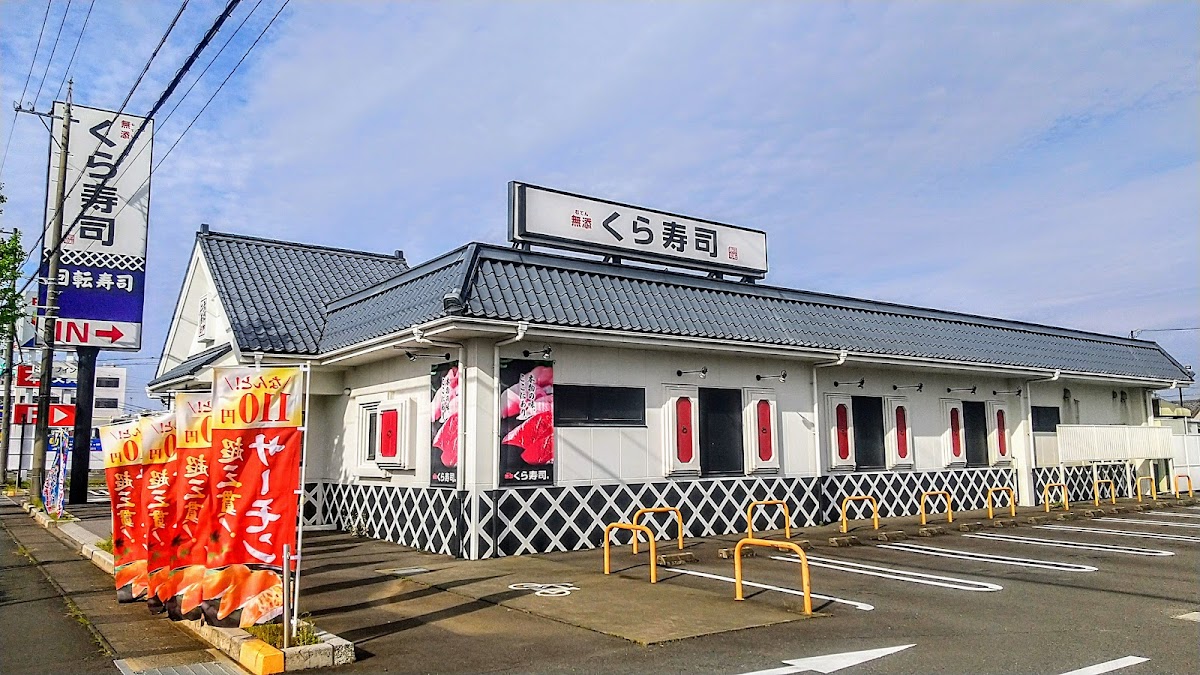
Overview
Walking into Kurasushi Hamamatsu Aritama feels like stepping into a modern Japanese diner that still respects tradition. I’ve eaten at several kura-style sushi spots across Japan, but this location stood out during a weekday lunch when families, students, and office workers filled the booths with an easy, relaxed energy. Located at 1822-1 Aritama Kitamachi, Chuo Ward, Hamamatsu, Shizuoka 431-3121, Japan, it’s easy to reach by car and even easier to enjoy once you sit down.
The menu is where the experience really opens up. This isn’t just about raw fish on rice; it’s about variety and consistency. From classic tuna and salmon nigiri to seared options, tempura rolls, and seasonal specials, the range feels thoughtfully balanced. I watched a group of first-time visitors use the touchscreen ordering system without hesitation, which says a lot about how intuitive the setup is. Orders glide out quickly on the conveyor-belt sushi lane, and accuracy is impressively high. According to consumer studies by Japan’s Food Service Association, automated ordering systems reduce order errors by over 30 percent, and that efficiency is clearly at work here.
One thing I appreciated as a repeat sushi diner is the emphasis on ingredient safety. Kura Sushi as a brand is known for avoiding artificial sweeteners, preservatives, and colorings, a policy that has been highlighted by Japanese consumer advocacy groups over the past decade. While you don’t see a sign shouting about it at every table, the clean flavors speak for themselves. The rice has the right temperature and seasoning balance, and the fish tastes fresh without being overpowering. That consistency is hard to maintain at scale, which is why food industry analysts often cite Kura Sushi as a case study in efficient quality control.
The process is part of the fun. Plates slide into the slot after you’re done, and every few dishes unlock a chance at a capsule toy prize. I’ve seen kids light up when that animation starts, and honestly, adults get just as invested. It turns a casual meal into a small shared event, which explains why reviews often mention how family-friendly the atmosphere feels. Seating options include standard tables and booth-style arrangements, making it comfortable whether you’re dining solo or with a group.
Service here is intentionally low-pressure. Staff members are present and attentive, but the system lets you control the pace. This aligns with broader trends noted by the Ministry of Agriculture, Forestry and Fisheries in Japan, which has reported a steady rise in self-service dining formats in urban and suburban areas due to their speed and reliability. During my visit, drinks arrived quickly, and hot items like chawanmushi and udon came steaming, not rushed.
Reviews from both locals and travelers often point out value, and I agree. Prices stay reasonable even when you sample broadly, which encourages exploration of the menu rather than sticking to just one safe choice. One limitation worth noting is that peak hours can mean a short wait, especially on weekends, but the digital queue system keeps things transparent and fair.
What keeps people coming back isn’t novelty alone; it’s trust. You know what you’re getting, and you know it will be done properly. In a city like Hamamatsu, with plenty of dining options, that reliability matters. The location, the streamlined process, and the careful attention to food quality all work together, creating a restaurant experience that feels current without losing its roots.
Good to know
Service options
✓ Delivery ✓ Takeaway ✓ Dine-inHighlights
✓ Great coffee ✓ Great dessertPopular for
✓ Lunch ✓ Dinner ✓ Solo diningAccessibility
✓ Wheelchair-accessible car park ✓ Wheelchair-accessible entrance ✓ Wheelchair-accessible toiletOfferings
✓ Alcohol ✓ Beer ✓ Coffee ✓ Quick bite ✓ Small platesDining options
✓ Brunch ✓ Lunch ✓ Dinner ✓ Dessert ✓ Seating ✓ Table serviceAmenities
✓ ToiletAtmosphere
✓ CasualCrowd
✓ Groups ✓ University studentsPlanning
✓ Lunch reservations recommended ✓ Dinner reservations recommended ✓ Accepts reservationsPayments
✓ au PAY ✓ Credit cards ✓ dBarai ✓ PayPay ✓ Rakuten Pay ✓ Transit IC cards ✓ V-Money ✓ Credit cardsChildren
✓ Good for kids ✓ High chairs ✓ Kids' menuParking
✓ Free parking lot ✓ ParkingPhotos
1 / 4
Location
Reviews
- No ratings yet 1061 reviews
最近は人気が下がったのか、予約を取りやすくなりました。 ネタが小さいのと、提供が遅いせいかな? しかしその欠点をひっくり返すスーパー兵器があります。 その名は「生ビール」!!(笑) 冷たすぎて一部シャーベット状になった状態で出てきます! 提供が遅かろうがこの一杯で全てを許してしまい、星も一つ増えてしまいました(笑)